
Material Composition and Structural Design
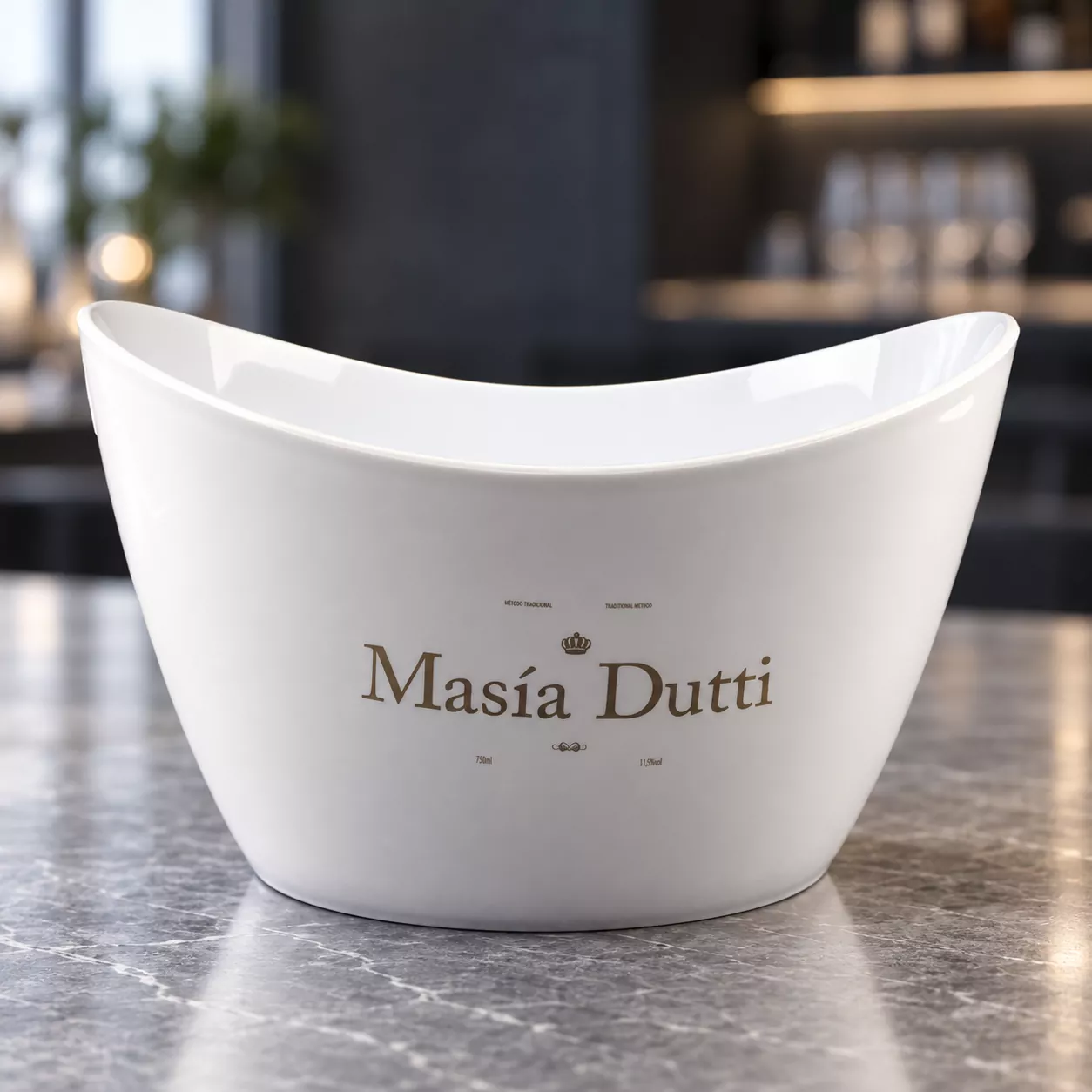
Plastic beverage chillers are produced primarily from food-grade polypropylene and acrylic, two materials that serve different priorities within commercial beverage service. Polypropylene is lightweight, impact-resistant, and available in opaque or translucent finishes. It performs well in high-traffic environments where durability and portability matter, including outdoor events, large-volume bar stations, and promotional distribution. Acrylic, by contrast, offers optical clarity that keeps bottle labels visible during table service. Clear acrylic units are frequently selected for hotel room service, champagne presentation, and dining rooms where the vessel itself contributes to the visual composition of the table.
Structural details influence daily usability as much as material choice. Integrated handles with raised grips support secure pouring when a unit is loaded with ice and bottles. A smooth, non-porous interior simplifies cleaning between shifts and helps maintain hygiene standards. Capacity ranges commonly span from compact three-litre units for single-bottle service to larger seven-litre and multi-gallon containers for high-volume transport and event stations. The base design also matters: a stable footprint reduces tipping risk during bottle presentation, while stackable configurations simplify storage in back-of-house areas.
Polypropylene and Acrylic: Performance Trade-Offs
Polypropylene units are generally favored for transport, high-volume service, and environments where impact resistance is a practical requirement. Acrylic units bring visual transparency and a premium appearance to front-of-house service, although they require more careful handling to avoid surface scratching. Neither material is universally superior; the correct specification depends on where the vessel will be used, who will handle it, and whether the bottle label or the chiller itself needs to remain the visual focus. For mixed operations, a coordinated assortment may include acrylic units for dining-room bottle service and polypropylene units for bar prep, event transport, and backup capacity.
Commercial Applications Across Hospitality Venues
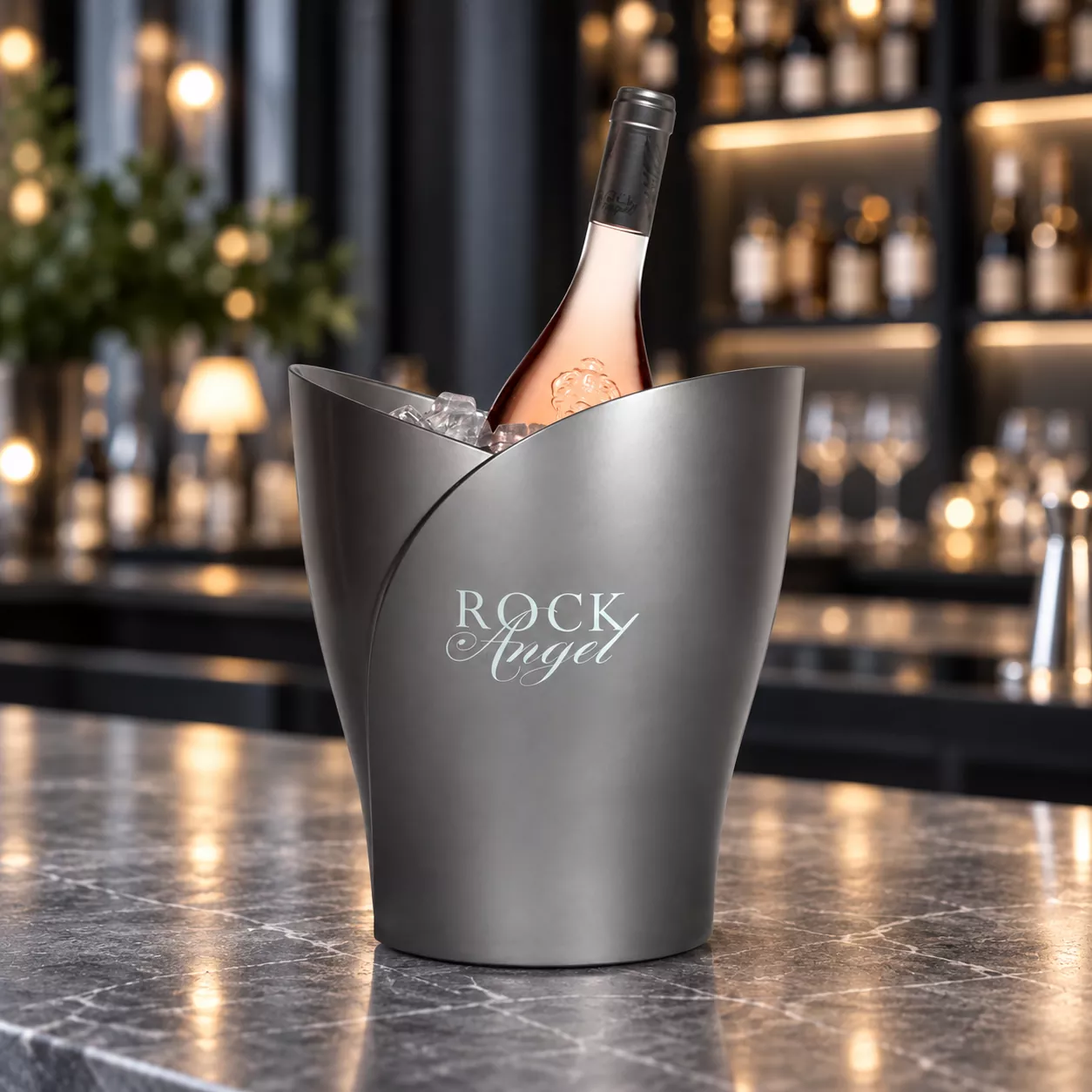
In bars and nightclubs, ice buckets provide a dedicated station for chilled bottles during table service and bottle presentations. The vessel keeps ice, water, and bottles organized within reach of service staff, and it gives the guest a visible point of interaction with the beverage program. A dedicated container also protects ice from cross-contact with glassware, garnishes, or other service items, which supports hygiene and speed during peak hours.
Hotels and restaurants use these vessels as practical accessories within broader beverage service routines. In dining rooms, a compact chiller allows staff to keep white wine or champagne at service temperature without leaving the table. In banquet and event settings, larger containers support multiple bottles and can be positioned at buffet stations or beverage bars. The appearance of the chiller can be coordinated with table settings, glassware, and existing barware so that the service station reads as a deliberate part of the venue’s presentation rather than an afterthought.
Wine and Spirits Promotions, Events, and Brand Activations
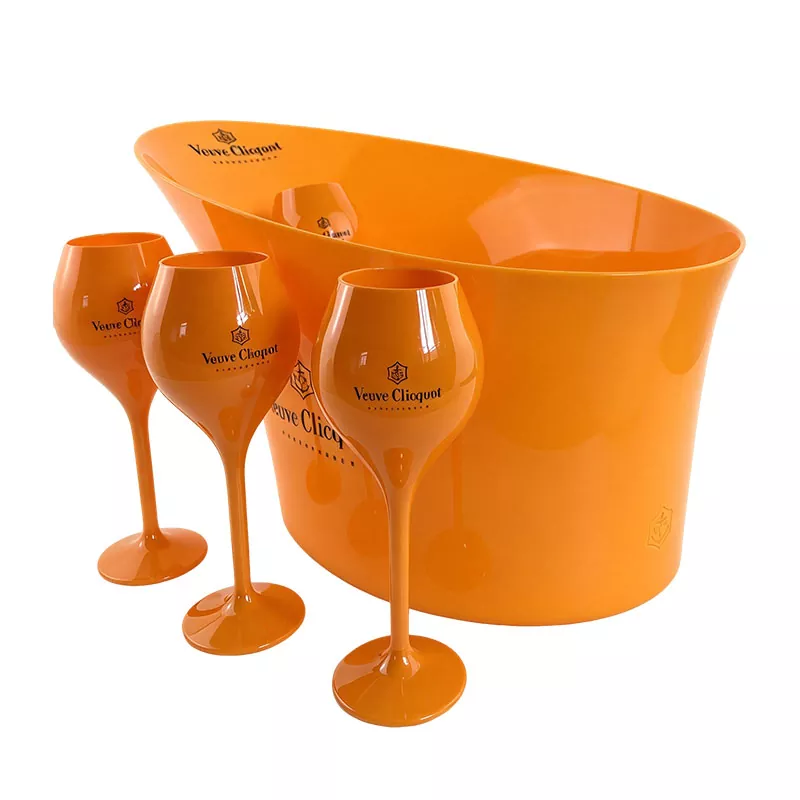
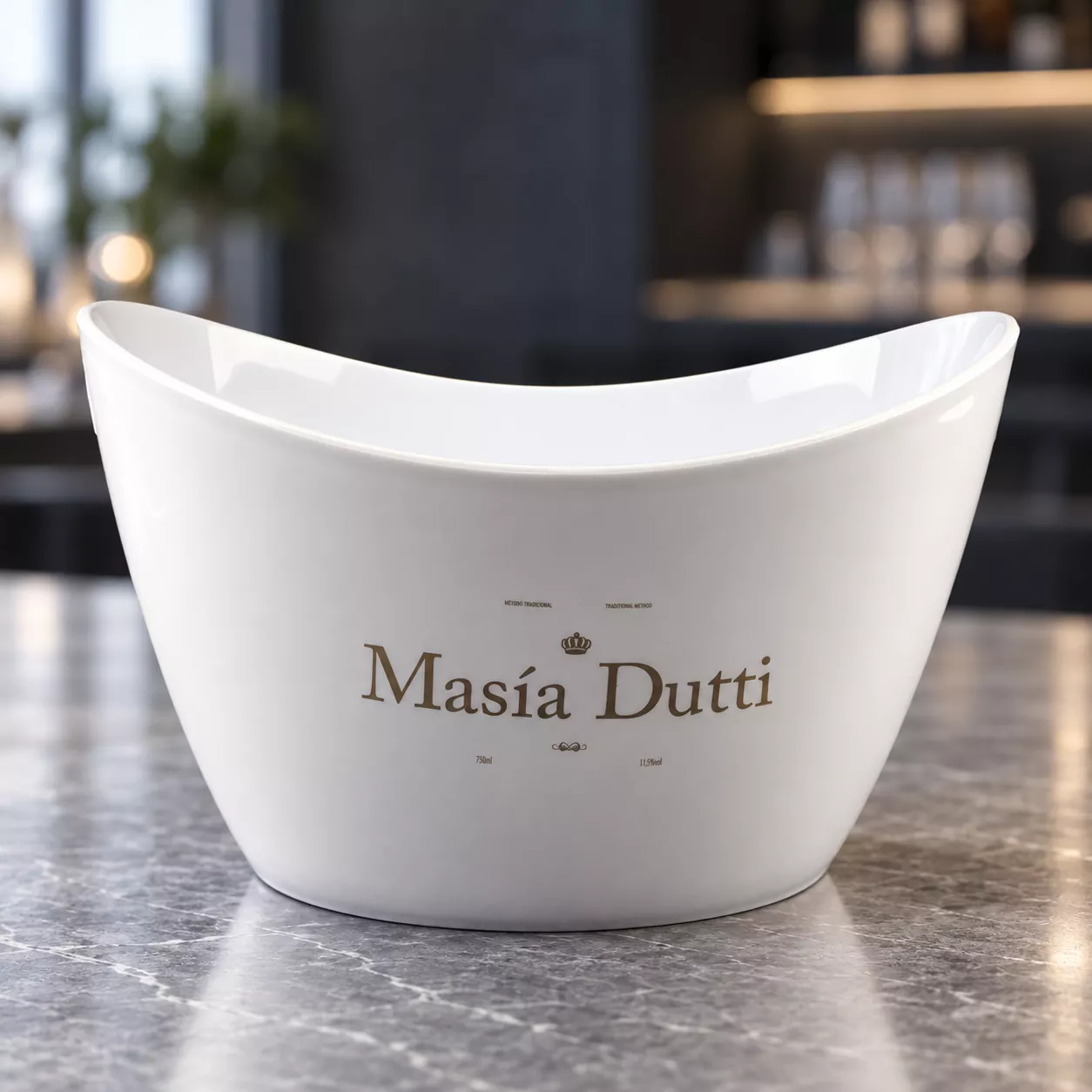
For wine and spirits brands, branded beverage chillers extend a campaign into a functional object that guests handle repeatedly. Logo printing transforms the vessel into a moving brand surface at tastings, product launches, hospitality suites, and private events. Event rental companies and brand activation teams also use chillers to keep bottles accessible while reinforcing visual identity across the venue. Because the container sits on tables and bar tops, it remains visible throughout the service period, unlike disposable signage that is easily overlooked.
Brand Customization Through Logo Printing
Decoration turns a standard beverage chiller into a branded service tool. The available printing area, artwork complexity, and surface material determine which method will produce a clear and durable result. Silk-screen printing is well suited to bold one- or two-color logos and repeatable production runs. Pad printing supports smaller graphics and curved surfaces. Heat-transfer printing accommodates more detailed artwork and multicolor designs. Providing a logo file and specifying the intended print position allows the manufacturer to review artwork placement and recommend an appropriate method for the chosen product.
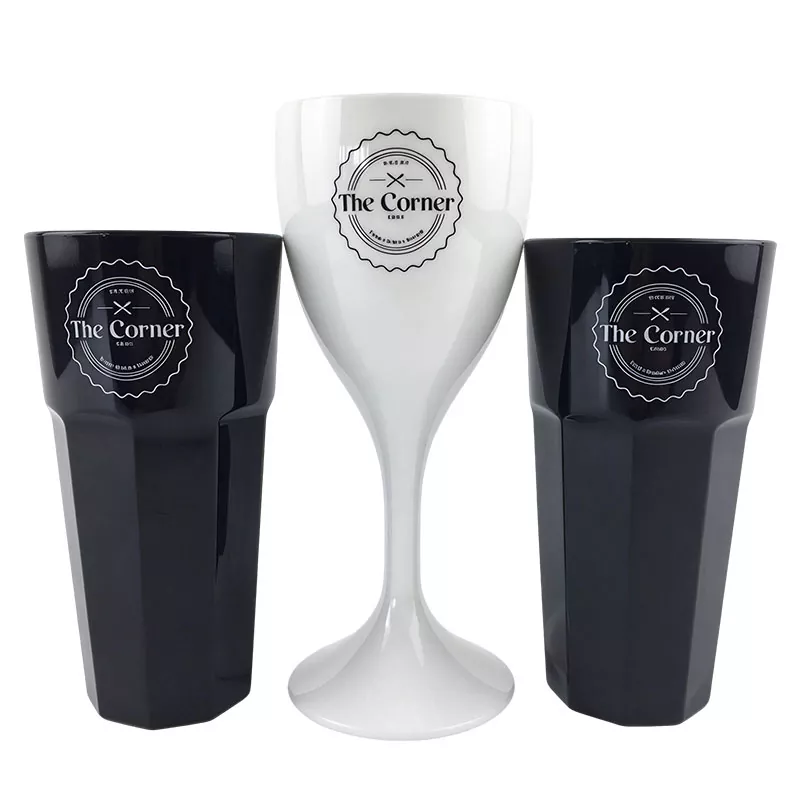
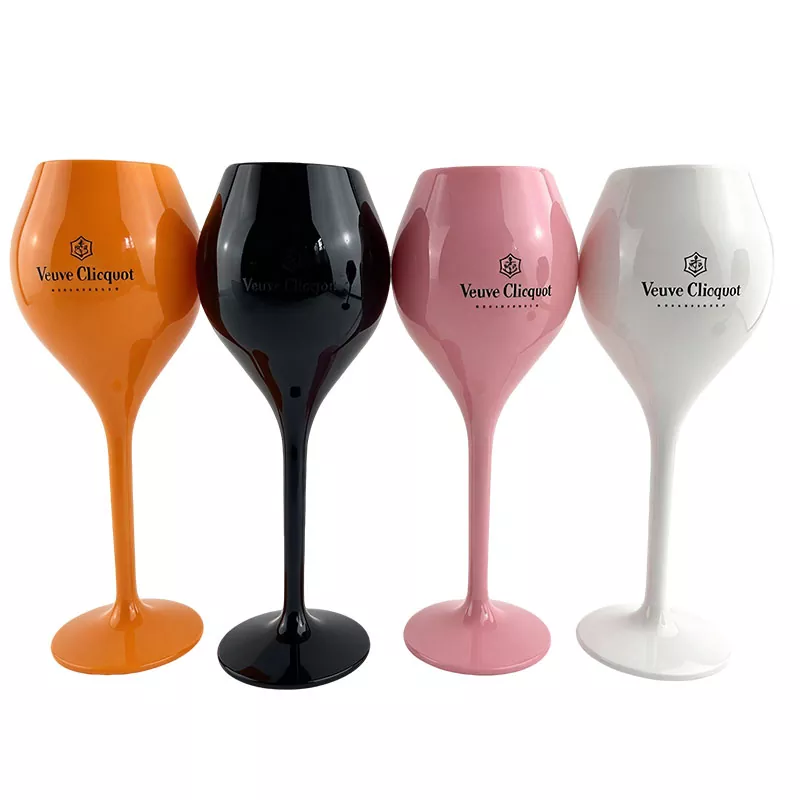
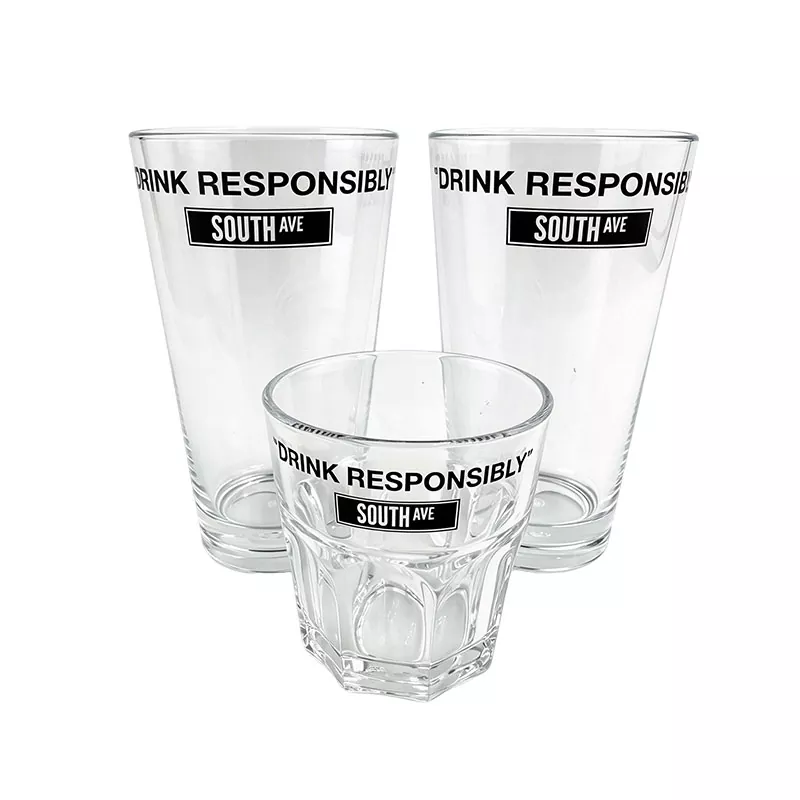
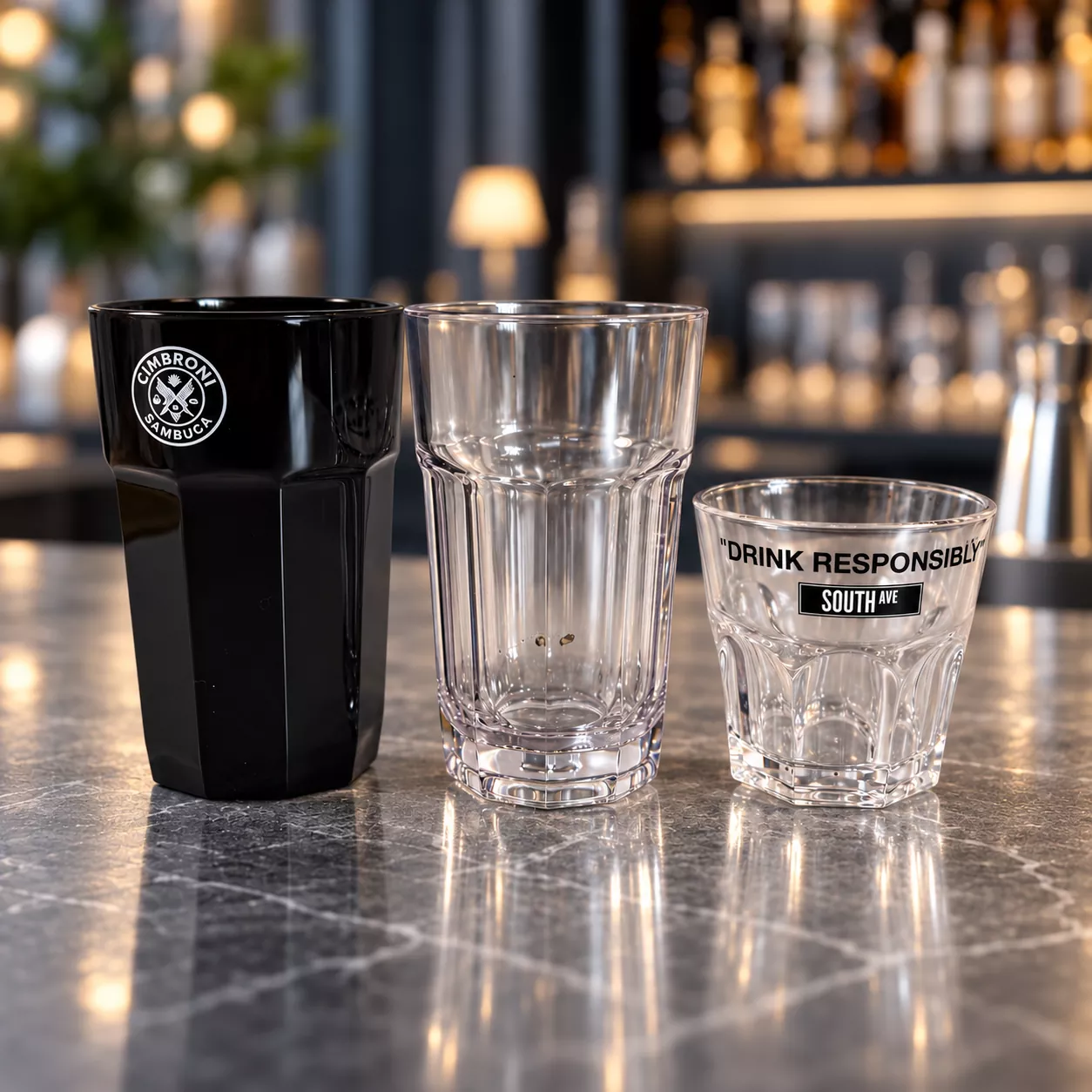
Print placement deserves attention during planning. A logo positioned on the front panel will be visible when the chiller faces the guest, while a placement near the rim or handle may receive more handling and abrasion. Brands that plan to coordinate ice buckets with plastic wine glasses, champagne flutes, or other barware can align colors, artwork scale, and logo treatment across the full assortment. This coordinated approach produces a more coherent promotional set than treating each item as a separate decoration project.
- Confirm the available print area on the selected chiller model before finalizing artwork dimensions.
- Match the printing method to the artwork complexity and the surface material of the vessel.
- Coordinate logo scale and color treatment with other barware items in the same program.
- Review the decorated position on a physical production unit when possible, especially for curved surfaces.
Selection Criteria for Wholesale Programs
Buyers evaluating beverage chillers for commercial distribution or promotional programs should begin with the service context rather than the product catalogue. The intended beverage type, bottle diameter, available table space, and storage capacity all shape the appropriate specification. A compact three-litre unit may suit intimate dining service, while a seven-litre or larger container is more practical for event bars, poolside service, or high-volume bottle presentations. If the chiller will be transported between locations, handle design, stackability, and weight become primary considerations.
| Selection Factor | Practical Consideration | Operational Impact |
|---|---|---|
| Capacity | Three to four litres for standard bottle service; larger volumes for event stations and multi-bottle service. | Affects how many bottles can be chilled at once and how often staff must refresh ice. |
| Material | Polypropylene for impact resistance; acrylic for bottle visibility and front-of-house presentation. | Influences durability, cleaning routine, and visual integration with table settings. |
| Handle and Base | Integrated grips, stable footprint, and optional stackability. | Improves pouring safety and simplifies storage in back-of-house areas. |
| Print Area | Clear, accessible surface for logo placement; method matched to artwork. | Determines brand visibility and decoration durability across the service life. |
| Coordination | Compatibility with existing glassware, flutes, and bar accessories. | Creates a consistent service set rather than a collection of mismatched items. |
For wholesale inquiries, buyers should provide the intended application, estimated quantity, preferred product style, and logo artwork if decoration is required. Supplying reference images or existing product specifications helps clarify expectations and reduces back-and-forth during sample review. When the order involves multiple barware items, listing them together allows us to assess the assortment as a coordinated program rather than isolated products. Powered Crafts operates a production facility in Ningbo, China, with injection molding, blowing, and printing equipment that supports plastic barware manufacturing and decoration across a range of commercial and promotional applications.
Care and Maintenance in High-Volume Settings
Routine cleaning extends the service life of plastic beverage chillers and protects the appearance of printed graphics. Food-grade polypropylene and acrylic units can be washed with mild detergent and warm water, followed by thorough drying before storage. Abrasive pads and harsh solvents should be avoided because they can dull acrylic surfaces or degrade printed logos over time. In high-volume settings, assigning a dedicated cleaning station for barware reduces the risk of scratches from mixed utensil washing and keeps chillers ready for the next service period.
Ice quality also affects the performance of the vessel. A mixture of ice and cold water chills bottles more efficiently than ice alone because liquid water conducts heat away from the bottle surface and fills the gaps between ice cubes. Staff should avoid overfilling the chiller to the rim; leaving headspace makes it easier to place and remove bottles without spilling, and it allows the ice-water mixture to circulate around the bottle. During extended service, topping up with fresh ice and a small amount of cold water maintains chilling performance without diluting the beverage if the bottle remains sealed.
Cleaning and Storage Practices
- Empty the chiller and rinse away loose ice and liquid after each service period.
- Wash with mild detergent and a soft cloth, paying attention to the interior base and handle joints.
- Rinse thoroughly and dry the unit upside down on a clean rack to allow complete drainage.
- Store in a dry area away from direct sunlight and heavy objects that could distort the shape.
- Inspect printed logos periodically for abrasion and replace heavily worn units in guest-facing service.
Operational Questions and Practical Answers
Can a logo be printed on plastic beverage chillers used for commercial service?
What capacity is most practical for restaurant and hotel beverage service?
How should ice and water be combined for efficient bottle chilling?
Can beverage chillers be coordinated with other barware items in a promotional program?
What information should a wholesale inquiry include?
To discuss your commercial requirements and explore how a coordinated beverage service assortment can support your venue or promotional program, contact us to start a conversation about your next order.